How Do Wildfires Impact Real Estate Values in Utah County: Short-Term and Long-Term Effects
Wildfires have become an increasingly pressing issue across the American West, and Utah County, Utah is no exception. For homeowners, potential buyers, and investors, the threat of wildfire can raise important questions about property values. How do these disasters affect real estate, both immediately and over the long run? Let’s explore the far-reaching impacts of wildfires on property values with a focus on real-world examples from Utah County.
Immediate Shock: Short-Term Impacts on Property Values
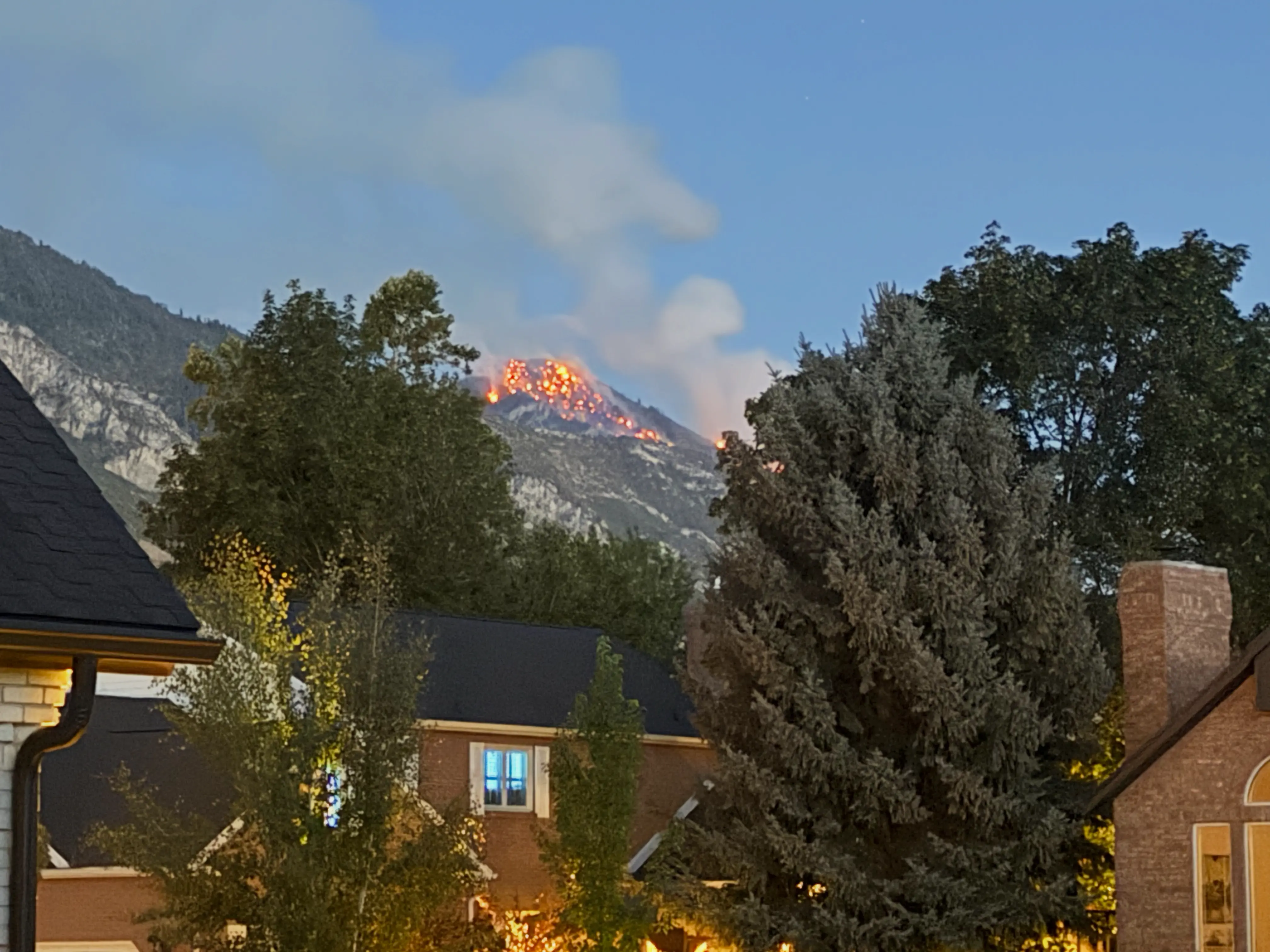
The most obvious effect of wildfires on real estate in Utah County—or any wildfire-prone region—is seen in the immediate aftermath. When large fires erupted near Mapleton and Spanish Fork during the Pole Creek Fire in 2018, the local community faced mass evacuations, loss of homes, and lingering uncertainty. In such cases, affected properties often experience a drop in demand, as caution replaces enthusiasm among would-be buyers. Wildfire scars, damaged infrastructure, and uncertainty over future risks collectively reduce the market value of properties directly exposed to the fire.
Homes that survive but are located near burn areas may also see reduced values in the short term. Buyers worry about landscape damage, smoke, and ash residue, not to mention the potential for future insurance hikes. Real estate agents in Utah County commonly report fewer showings and decreased offers immediately after a significant fire event.
Recovery and Long-Term Trends
While the immediate aftermath is often marked by declining values, the long-term effects of wildfires on Utah County real estate can vary widely depending on the extent of damage, local recovery efforts, and broader market conditions. In the years following the Pole Creek Fire, for instance, some neighborhoods saw property values rebound as replanting and rebuilding efforts progressed. Utah’s strong economy, population growth, and high housing demand have also helped support recovery.
However, repeated wildfire threats can cast a long shadow. Homes situated in high-risk areas, such as the foothills near Provo Canyon or the woodlands around Payson, may experience slower appreciation compared to those in less vulnerable neighborhoods. Prospective buyers are now more likely to consider wildfire maps, evacuation plans, and insurance costs before purchasing, which can influence long-term demand and value stability.
Insurance and Perception
Another critical factor shaping long-term real estate values is homeowner insurance. In Utah County, areas frequently touched by wildfire may see steep premium increases or in extreme cases, refusal of coverage. As insurance becomes costlier or harder to obtain, properties may become less attractive, dampening values even as the broader market recovers.
Public perception matters too. Properties marked by repeat wildfire incidents could struggle to retain value relative to similar homes in less risky parts of the county. Conversely, where mitigation efforts—like fire breaks, defensible space landscaping, and community education—are visible and ongoing, buyers may be reassured, reducing the stigma over time.
Resilience and Opportunity
Despite these challenges, some Utah County communities have used wildfire events as an opportunity to rebuild smarter and safer. Adoption of fire-resistant building materials, clearing of wildfire-prone brush, and active emergency planning can help restore both safety and value in fire-affected neighborhoods over the long haul.
Conclusion
Wildfires can create serious, immediate setbacks for real estate values in Utah County, but their long-term effects depend on many variables—from recovery efforts to ongoing risk management. By learning from past fires and investing in resilience, homeowners and local leaders can help preserve both safety and property values in this beautiful, yet vulnerable region of Utah.